
Why Have Certain Places Captivated People for Millennia? Could Geophysics Suggest Some of the Answers?
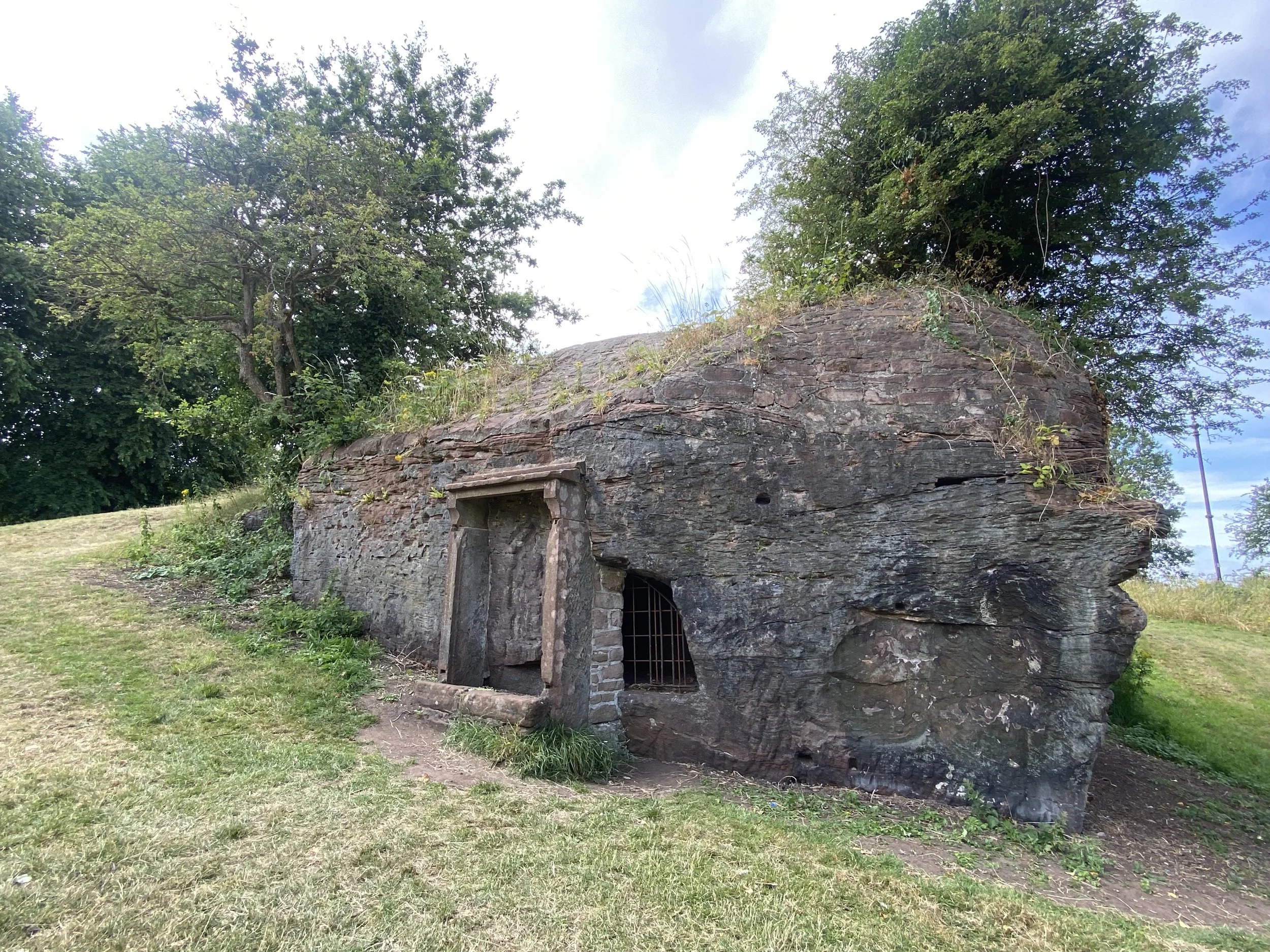
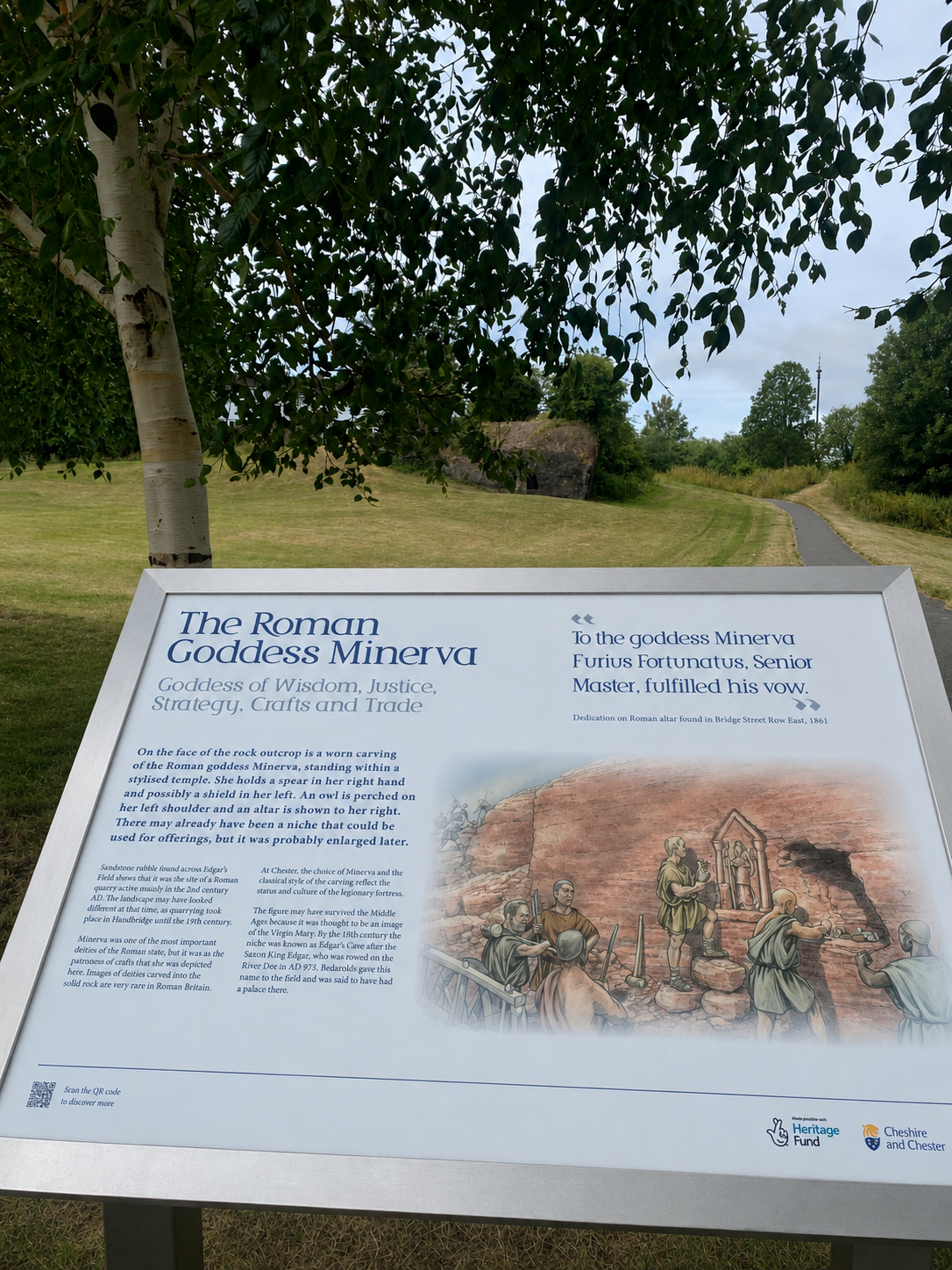
In July I had the pleasure of joining members of Cheshire Dowsers for a field visit to the ancient Minerva Shrine in Edgar's Field, Chester, led by guests Alistair Hindmarsh and Steve Mitchell.
This rare Roman shrine, carved directly into the sandstone overlooking the River Dee, dates from around the 2nd century AD and still stands in its original location—a remarkable connection with the past.
What made the day particularly memorable, however, wasn't just the archaeology. It was the thought-provoking discussion that followed.
Al, a geologist and Steve a physicist, explored an intriguing question:
Could the geological properties beneath our feet help explain why so many ancient sacred sites occupy particular places in the landscape?
They proposed that the electromagnetic properties of places such as Stonehenge or the Minerva Shrine felt different to Ancient peoples due to the geophysical properties of the underlying ground.
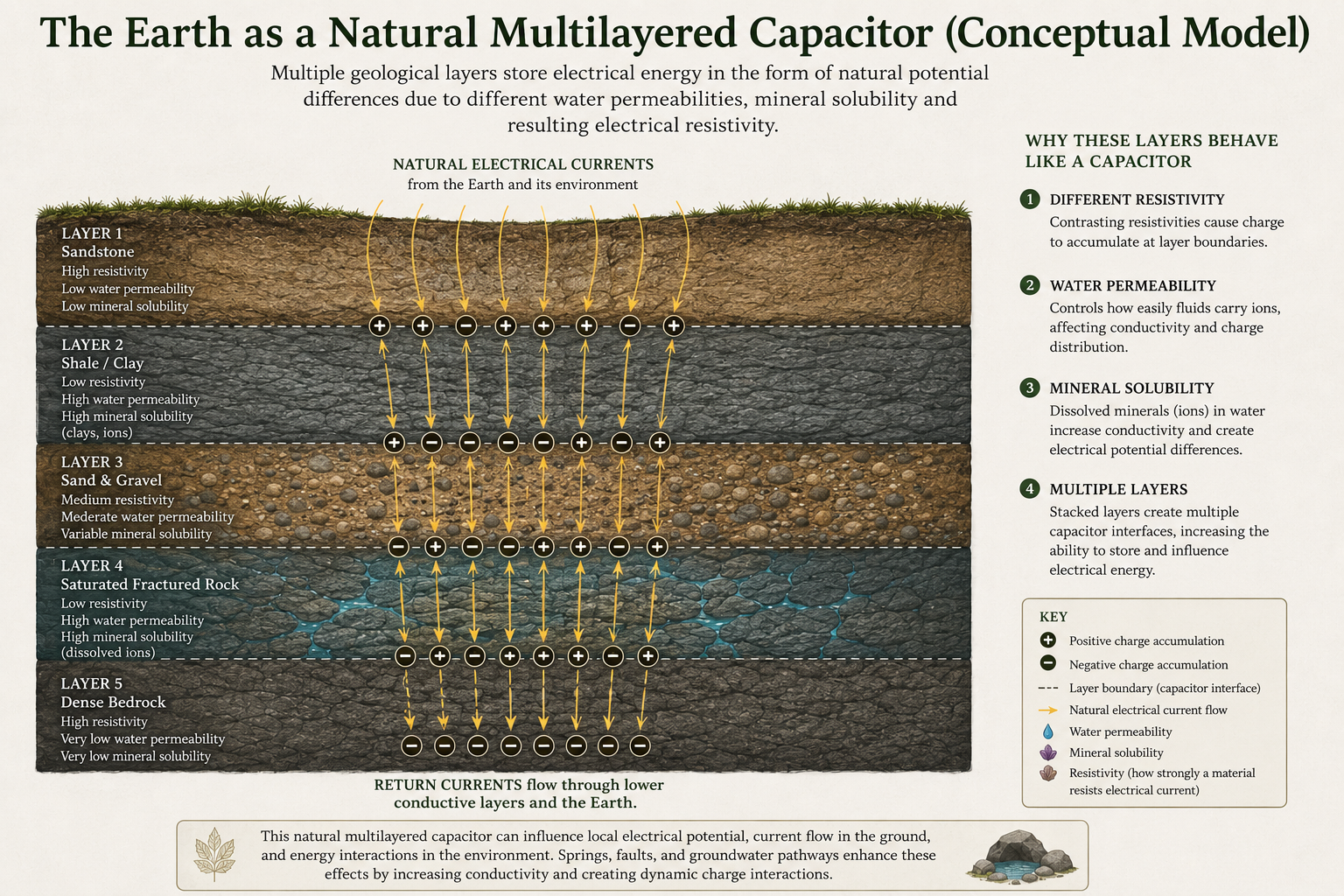
How can we measure electromagnetism at different locations?
Modern geophysics allows us to measure the electrical resistivity of the ground, revealing hidden layers of sandstone, clay, fractured rock and water-bearing strata beneath the surface. Because these materials differ in their ability to conduct electricity and store electrical charge, they can create natural electrical potential differences, particularly where groundwater moves through contrasting geological layers.
The model presented suggested that in some locations, these layered geological formations may behave analogously to a multilayer capacitor, allowing naturally occurring electrical currents associated with Earth's dynamic magnetic environment to become locally concentrated or modified. Springs, geological faults and changes in rock type may further influence these subtle electrical environments.
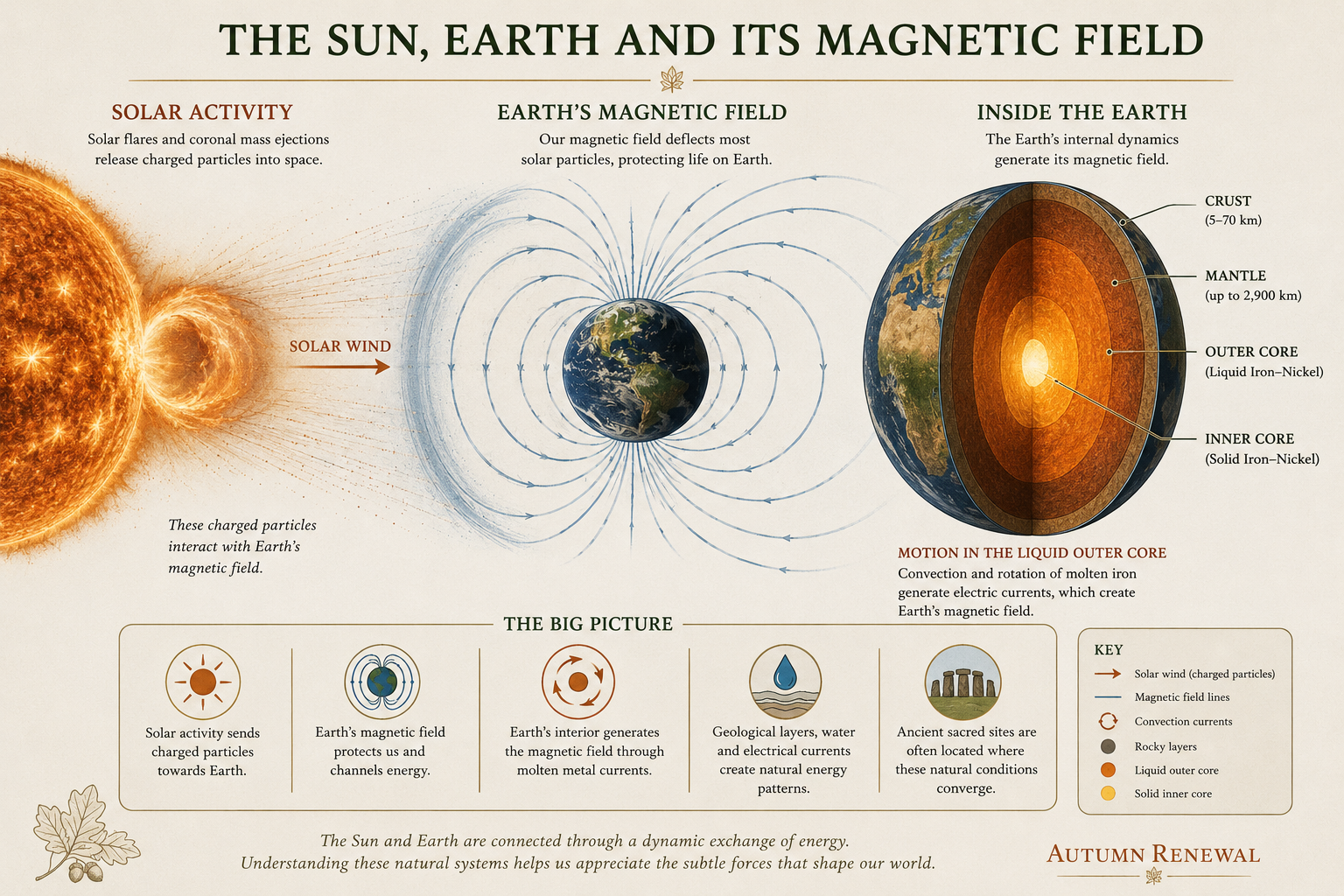
But how are electromagnetic properties generated in the Ground?
Known as telluric currents (or Earth currents), these low-frequency electrical currents flow through the Earth's crust, soils and oceans and have been recognised part of our planet's geophysical system and have been studied by scientists for well over 150 years.
Although we can’t see or feel them directly, they are constantly changing in response to natural processes occurring both beneath our feet and far above our atmosphere.
Where do telluric currents come from?
The largest driver of telluric currents is the Sun.
Charged particles released by solar activity interact with the Earth's magnetic field, producing subtle changes in its magnetic environment. These changes induce weak electrical currents within the ground through a process known as geomagnetic induction.
The strength of these currents naturally varies throughout the day and can increase significantly during periods of heightened solar activity, such as solar storms.
Perhaps the most fascinating suggestion was that ancient builders may have recognised these naturally distinctive places long before modern science had the tools to investigate them. Could the placement of barrows, standing stones, temples and shrines have enhanced, or just marked, locations with low electrical resistivity ?
These ideas remain open to investigation and discussion, but that is precisely what made the day so stimulating. Rather than separating archaeology, geology, geophysics, physiology and personal experience into isolated disciplines, Al and Steve encouraged us to consider how each might contribute to a richer understanding of the landscape.
Whether you approach these places as an archaeologist, scientist, dowser, historian or simply someone who enjoys exploring ancient landscapes, they continue to inspire curiosity.
Modern geophysics is revealing that the ground beneath our feet is far more electrically complex than it appears. Could that complexity be one of the reasons certain places have drawn people for millennia?
Links / Further reading
Minerva's Shrine | Chester History and Heritage
Roman Shrine to Minerva, Non Civil Parish - 1375783 | Historic England
Curious About Your Own Home?
This article explores how geology, groundwater and natural electrical environments may contribute to the unique character of a place. If you're interested in understanding the energetic qualities of your own home or land, you may find my Home Energetics Assessment of interest.